

Pastor’s Job Description: Four Essential Responsibilities of a Shepherd

June 22, 2026

June 22, 2026
Abstract: Pastor Joshua Chatman outlines four essential responsibilities of pastors based on Scripture’s teaching in passages such as John 21:15–18 and 1 Peter 5:1–3. As shepherds of Christ’s flock, pastors have the privilege and responsibility to lead, feed, protect, and care for the people Christ has put under their oversight.
If you click on a job posting at ziprecruiter.com, you’ll find the job overview, the specific responsibilities, and the required qualifications. This information clarifies what the job entails. But when it comes to the work of a pastor, it’s Scripture that lays out the job.11 .See John 21:15–18; Acts 20:28; Col. 1:28–29; 2 Tim. 4:1–2; 1 Pet. 5:1–3.
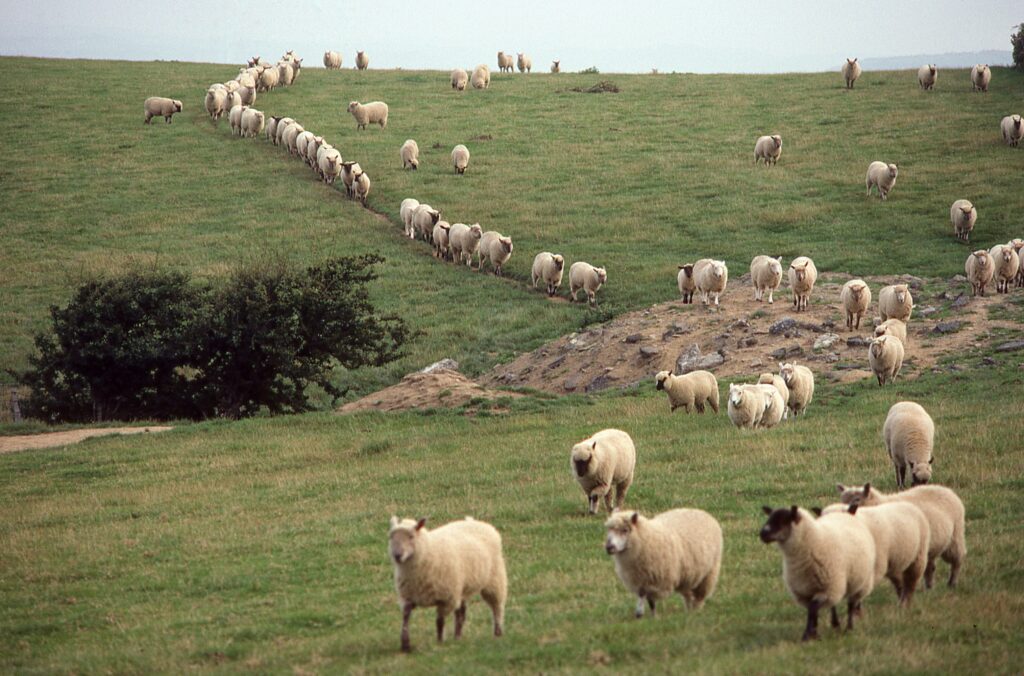
If you’re a pastor, your work can be summed up in one biblical word: shepherding (Acts 20:28; 1 Pet. 5:1–3). And, I would argue, shepherding includes four main responsibilities: leading the flock, feeding the flock, protecting the flock, and caring for the flock. I hope this short article helps you, pastor, to evaluate how you’re doing in each of these areas.
Sheep need shepherds to lead them precisely because they are prone to wander. Pastor, you have the privilege and responsibility to lead the flock (1 Thes. 5:12–13), and the primary way you lead is through the public ministry of the Word. You speak Christ’s words to the flock, guiding and directing them as they follow him. Without your leadership, the church may be ill-equipped to understand and fulfill its mission.
For example, your members may affirm that the church’s mission is to make disciples but remain unsure about how to carry it out. They may reduce the mission to inviting friends to church or doing mercy ministry in their city. But as you patiently and intentionally instruct them through the Word, you can guide and equip them to fulfill the Great Commission (Matt. 28:18–20).
Sheep need to be fed, which is also the pastor’s job (John 21:15–17). The primary way a shepherd feeds is through his teaching and preaching God’s Word. In feeding from God’s Word, God’s people remember and are reinforced in truths such as that they are loved by Christ, forgiven of all their sins, commanded to live according to his precepts, helped by his Spirit to do so, and promised life in the world to come.
Pastors may neglect their duty to feed in at least two ways: by refusing to feed or by replacing the healthy food the sheep need with something that lacks substance. Assuming you’re not outright refusing to feed your flock (which would look like a pastoral strike!), consider the latter kind of neglect.
Substituting Christ with anything—moralism, life-coaching, political agendas—is a failure on the shepherd’s part and detrimental to the flock. It’s worse than giving your children Cheetos and Skittles as their main meal for the day. Your church needs heavenly food. That is, they need Christ himself, the bread of life, who alone nourishes and satisfies the soul (John 6:35). So as you preach and teach Christ from the Scriptures, you invite the flock to feast on him. He is sweeter than honey and more satisfying than a medium-rare steak. Week after week, you have the privilege of helping your church taste and see that the Lord is good (Ps. 34:8).
Sheep are defenseless and vulnerable. They are not predators but prey. Therefore, they need shepherds to protect them, particularly when it comes to false teachers who prey on the flock (Acts 20:29; Eph. 4:14). These teachers make lies sound like truth; they make slavery look like freedom; they offer poison as candy. They present the pathway to destruction as if it’s the road to a full life. And your church members are susceptible to these forms of deception.
Christ doesn’t want any of his blood-bought sheep to be deceived or devoured. That’s why your head must remain on a swivel and your shepherd’s staff must remain at hand. Your weapon for protection is Scripture, and the primary way you wield it is through upholding sound doctrine. As you rightly divide the Word, you expose deception, refute heresies, and present the pure gospel. This helps protect the flock from being captured by empty philosophies (Col. 2:8–9).
Sheep require oversight and care. The Chief Shepherd knows and cares for his flock (John 10:14–15), and he commands you to follow his example (1 Pet. 5:1–3). Do you know your church members’ names? Are you aware of ways to pray for them? Do you have a general sense of how they’re doing, either through personal interactions or through updates from another elder?
Much of your pastoral work is done publicly, but caring for the flock often occurs through personal interactions behind the scenes—after services, in your office, in their homes, or at hospitals. Though less visible, this work is no less valuable. Members of your church are vulnerable to despair, discouragement, and doubts, and you can speak directly to their needs by applying the gospel and strengthening their faith (Acts 20:20; Rom. 15:13). You can also be present to rejoice with them during their happiest moments, like the birth of a child. Or you can be there to mourn with them during their darkest hours, as when they receive a devastating diagnosis or experience the loss of a loved one. Through this kind of pastoral care, weary souls are renewed and the church tangibly experiences the care of the Chief Shepherd.
Pastors, Christ has called you to devote yourselves to the care of souls, ministering the Word in all your duties.22 .Martin Bucer, Concerning the True Care of Souls, trans. Peter Beale (Banner of Truth, 2009), 33. Your job responsibilities are weighty and worthy of the utmost diligence. On that final day, when Christ the Chief Shepherd evaluates your work, what will he say? By God’s grace, may he commend your faithful labors and say, “Well done, good and faithful servant” (Matt. 25:21).