

Book Review: 40 Questions About Pastoral Ministry, by Phil Newton

February 11, 2021

February 11, 2021
Phil A. Newton. 40 Questions About Pastoral Ministry. Kregel Publications, 2020. 410 pages.
Confession: I love the 40 Questions series by Kregel Publications. And I love pastoral ministry. So, this will clearly be a biased review.
Partiality aside, I snap up these books upon publication and they have served me well in pastoral ministry in sermon preparation, discipleship and counseling conversations, and as recommended reading for church members. I believe they will do the same for you in your ministry.
In this review, and in tried-and-true baptistic alliterative fashion, I’d like to offer an analysis of the book’s contents, it’s unique contribution to books on pastoral ministry, and my own commendation for you to take up and read.
This new resource, 40 Questions About Pastoral Ministry, by Phil Newton is a no-brainer recommendation for pastors and the churches they serve. The book is structured in a 40 questions format in five key sections. Those sections are:
Each of these sections has between 5–12 specific questions that are addressed in under 10 pages. It would make excellent devotional reading for the pastor’s heart. Additionally, it could be used by an elder team to read one question together at each elder’s meeting. It could also be assigned to potential pastoral candidates. A section could be assigned where they are asked to answer the question in their own words and then read what Pastor Phil has to say. It might serve as a formative exercise for those who aspire to ministry. I have considered using some of the questions and answers as fuel for discussion and prayer in our local pastors fellowship.
Many books reflect theologically on the pastorate. A growing number of books tackle specific pastoral tasks. Newton’s book, however, does both.
In addition to covering the basics of pastoral calling (“What is a pastor?,” “What is meant by pastoral ministry?, “What essential qualities must be present in a Christian pastor?), the book also covers the church (“What is the church?,” “How is good pastoral ministry tied directly to ecclesiology?”). Some books on pastoral ministry don’t engage enough with ecclesiology. This book roots faithful pastoral ministry in a biblical understanding of the church.
But the contributions are not just limited to pastoral theology and ecclesiology. Numerous practical topics are explored. Everything from the pace of church revitalization, to making changes in polity, to leading the church to reform membership and discipline procedures, pastors engaged in the vital but hard work of revitalization will find Phil Newton a battle-tested and trustworthy guide in these matters.
Pastors who preach and teach regularly will find ample guidance and encouragement:
Practical matters such as preaching and leading weddings and funerals are also given attention. Finally, a few questions address long pastorates and how to transition out of ministry well, topics too often neglected in many books for pastors.
All the practical guidance notwithstanding, this book is smothered in pastoral heart. The book reads like wise counsel from a seasoned pastor to younger (and older) pastors. Among the questions that reflect this “pastoral heart” are:
While many books on pastoring cover the familiar terrain of feeding, leading and heeding the flock, the questions (and answers) in this particular volume gripped my heart, brought tears to my eyes, encouraged my faith, and put resolve in my soul. I believe it will do the same for you.

I don’t think it’s an overstatement to say that pastors are among the most experienced writers in the world.

We are not aiming for simpering servants, but for adult children who have the wherewithal to ask good questions and follow with dignity and intelligence.

Paul’s ministry was marked by persevering love for the church, like that of a parent for their children.
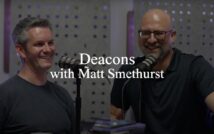
What is a deacon? What does a deacon do? In this second 9Marks Book Club, Jonathan Leeman and Matt Smethurst discuss the important topic of deacons in a local church. Buy the book here: https://9marks.myshopify.com/products…

Mark Dever, Jonathan Leeman, and friends discuss Revival vs. Revivalism, a conversation about two different ways of doing ministry today.

Matt Rhodes explains that modern missionaries’ emphasis on minimal training and quick conversions can result in slipshod evangelism that harms the communities they intend to help.
